DESCRIPTION
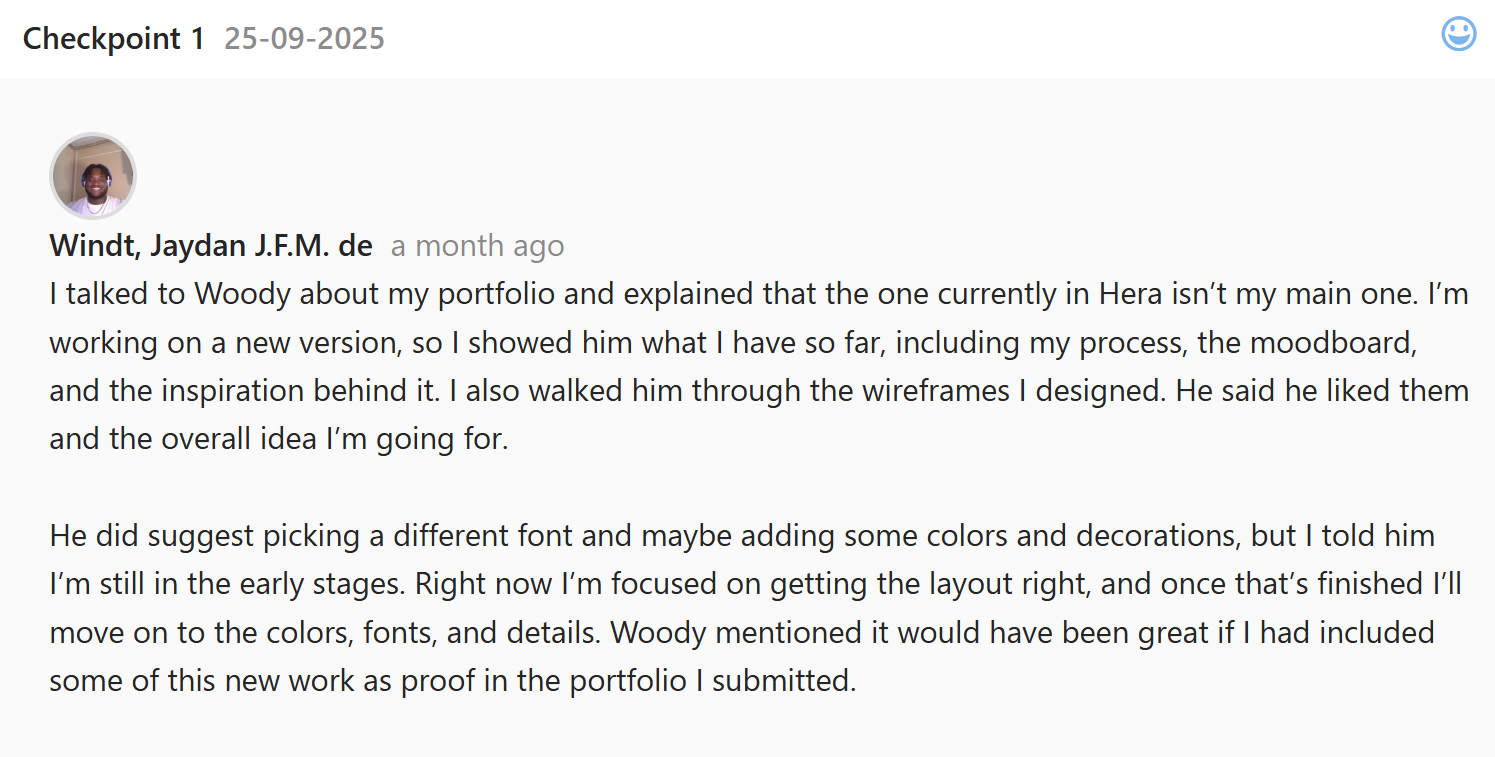
I've been using the feedback system to get feedpulses to keep my teachers in the loop about my progress. The idea is to show them exactly where I'm at, how fast I'm moving, and what I'm doing to become a professional. It's basically a progress report on my development path.
GOAL
The main goal was to clearly map out my growth path for my teachers so they can track my development as a professional. On a personal level, the goal was to use their insight to figure out if I'm heading in the right direction. If I'm getting positive feedback, I know what to double down on; if I'm getting critical feedback, I know exactly what needs fixing.
REFLECTION
Okay, here’s the kicker: I realized that right before the first assessment, I didn't have enough feedback I only had three pieces of input. I should have been way more proactive about chasing down my teachers for more "pulse checks" earlier. I basically waited for them to come to me, when I should have been knocking on their doors. I let a valuable opportunity for guidance slip.
WHY PROOF BELONGS
This proof fits Learning Outcome 2 because I was self-aware enough to spot my own weakness: being too passive about getting feedback. I proved my strength by recognizing that input is essential for growth. By actively deciding to chase down feedback in the future, I'm backing up my core value of continuous improvement. I didn't just notice a problem; I immediately made a concrete plan to fix it. This is me taking charge of my own learning path and making sure my development is robust and on track.
ACTION
Next time, I need to take ownership of the feedback process. I won't just wait for the scheduled reviews. I'm going to set a personal goal to get at least one piece of feedback every two weeks from a different teacher or mentor. This means proactively scheduling short meetings or sending specific questions before a deadline so I can course-correct early.

DESCRIPTION
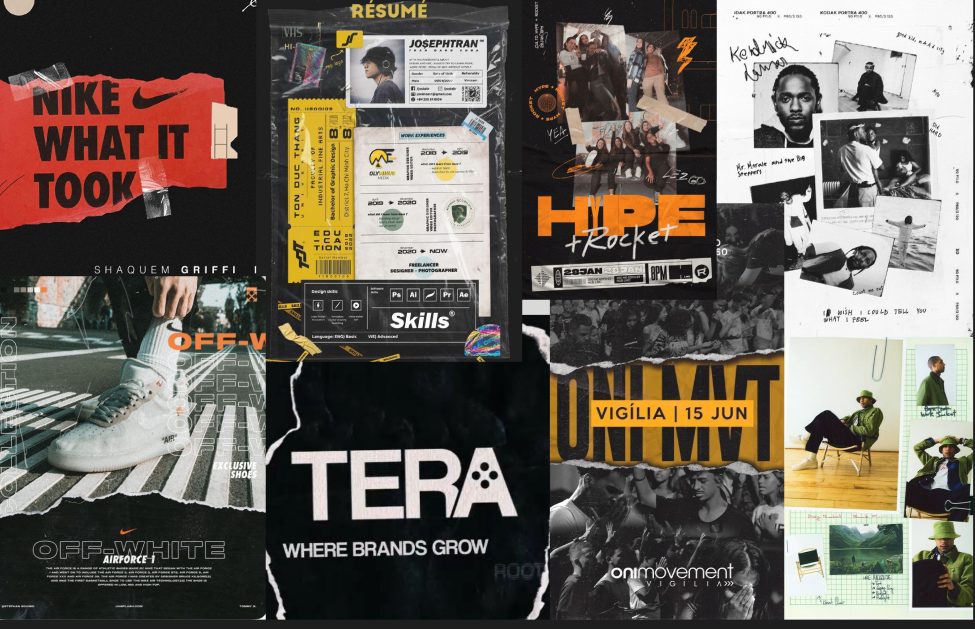
For this portfolio, I made a conscious decision to move away from my previous, safer design choices and create something totally new. I wanted to actively test the limits of my design skills and see what I could truly achieve by pursuing an ambitious goal. I started by researching inspiration on Pinterest and gathering visuals to help me develop a completely different concept, aiming for a sketchbook-style design.
GOAL
My primary goal was to step outside of my comfort zone by avoiding the safe design option I usually choose. I wanted to commit to an out of the box design direction to develop my skills and prove to myself that I could successfully make a complex and unique portfolio design.
REFLECTION
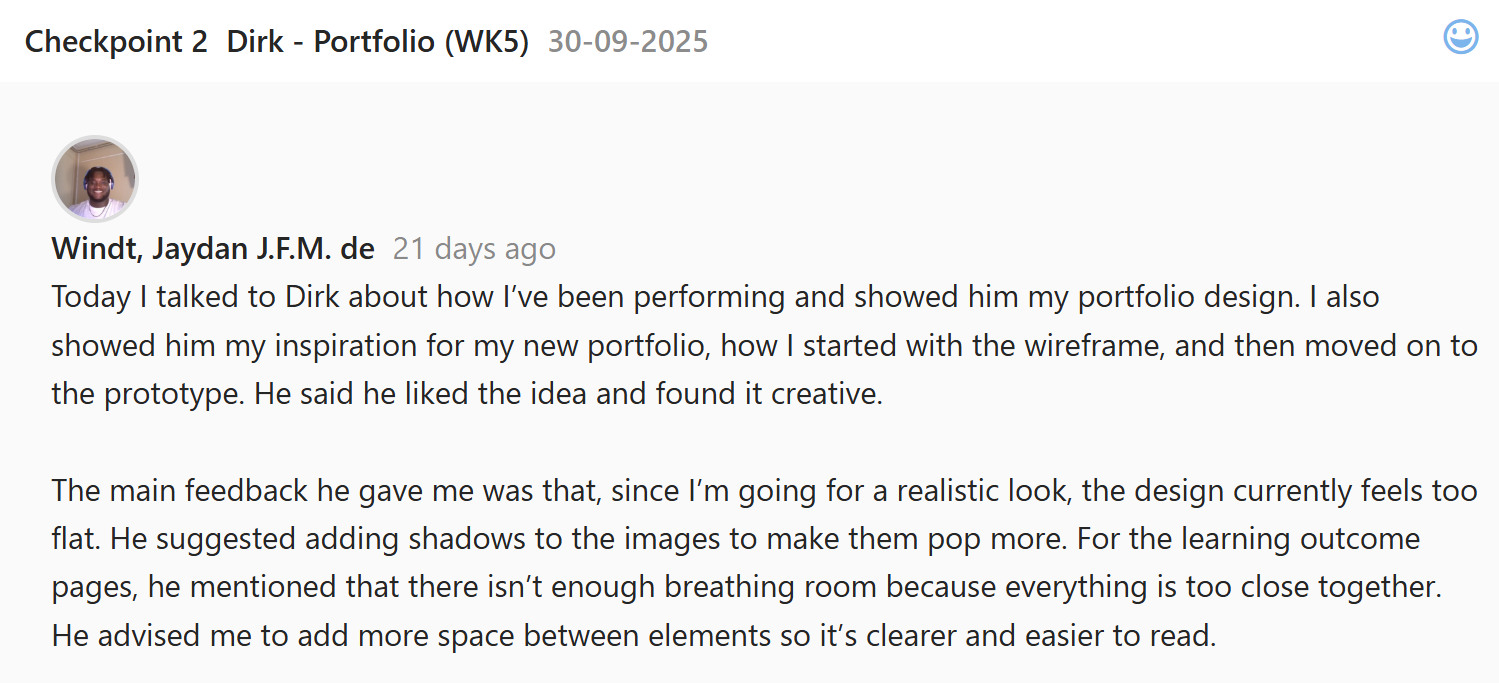
The entire process felt different because I challenged my normal workflow. After creating wireframes, I asked for feedback and opinions from my fellow students, which is an unusual step for me. I added their input to refine the wireframes. Instead of settling for one prototype, I created multiple prototypes, and then returned to my classmates and , asked Dirk and Woody for additional feedback. While working so far outside my comfort zone was challenging, I am genuinely pleased with the final design. I didn't expect to succeed, but I did, which gave me a new perspective on th e importance of giving maximum effort and trusting my capabilities.
WHY PROOF BELONGS
This proof belongs to Personal Leadership because I identified a key area for personal growth: my tendency to choose safe options and avoid constructive feedback. My action was guided by my core value of continuous development. By actively choosing a difficult design path, creating multiple prototypes, and proactively asking my peers and lecturers for specific feedback, I was making conscious decisions to overcome my weaknesses. This demonstrates self-awareness and a developed learning attitude, which is the core of this learning outcome.
ACTION
To successfully achieve this challenging design, my first action was making the hard choice to abandon my typical, safe design approach. I created several different wireframes initially. Then, I took the crucial step of actively asking feedback from my classmates on which wireframes were strongest, and I revised them based on their input. I continued this pattern by creating multiple prototypes (rather than just one) and sought out further critical feedback from my peers and lecturers (Dirk and Woody). I used all the accumulated feedback to make necessary final adjustments before completing the portfolio.


DESCRIPTION
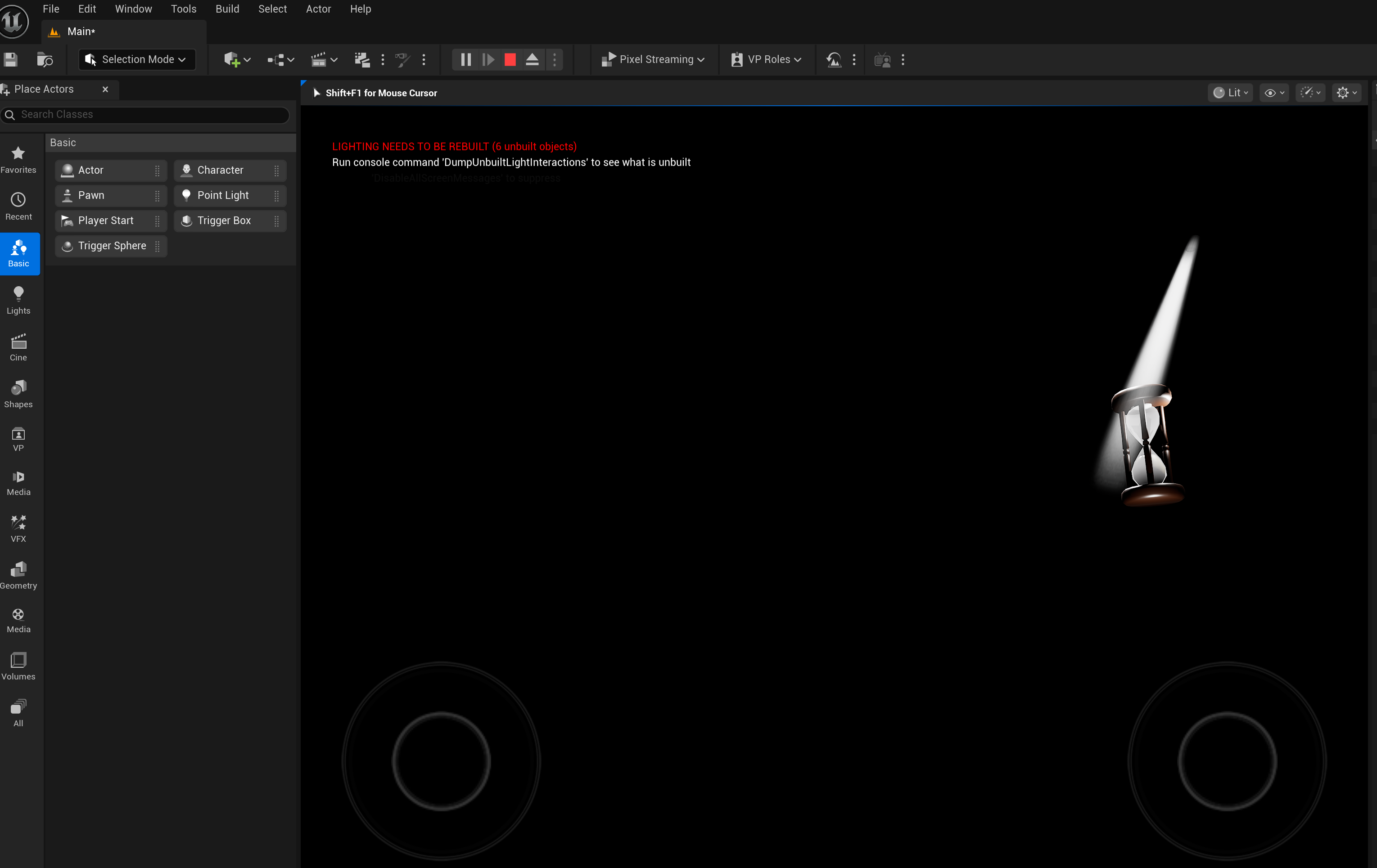
I jumped into Unreal Engine for the first time, so everything about the software was completely new. That meant the start was really uncomfortable because I didn't know anything, and I felt super slow trying to figure things out. To make it worse, my laptop simply wasn't powerful enough to handle the program well, which added a major roadblock to the process.
GOAL
My main goal was to just explore this high-end software. Even though I knew it would be difficult and my tech might fight back, I wanted to see it through and manage to build at least one small scene in Unreal Engine to understand how it works and what it’s capable of.
REFLECTION
Working with Unreal Engine was a struggle. Being slow and having constant performance lags due to my laptop definitely made me dislike the experience. However, I kept going and did successfully complete a small scene. After working with it , my conclusion is that I don't want to use Unreal Engine professionally in the future. It just wasn't for me. I do think the hardware issue might have skewed my opinion, so if I ever get a better machine, I might give it another shot.
WHY PROOF BELONGS
This project is great proof of Personal Leadership because it shows I can be honest with myself about my skills and make decisions based on my goals. I knew I was weak in Unreal Engine knowledge, and even though I was uncomfortable and my laptop was dying, I still pushed through to try it. The key part is that I used this experience to honestly assess that the tool doesn't fit my future path. Deciding where to focus my learning next is all about directing my own growth, which is exactly what personal leadership means.
ACTION
The action I took was committing to learn and use a piece of software (Unreal Engine) that I had zero experience with. Even though I felt slow and my laptop struggled, I put in the effort to learn the basics and successfully finished a small scene. The final action I took was making a clear decision to shift my focus away from Unreal Engine, based on the experience, so I could concentrate on skills that align better with my future plans.
.png)

DESCRIPTION
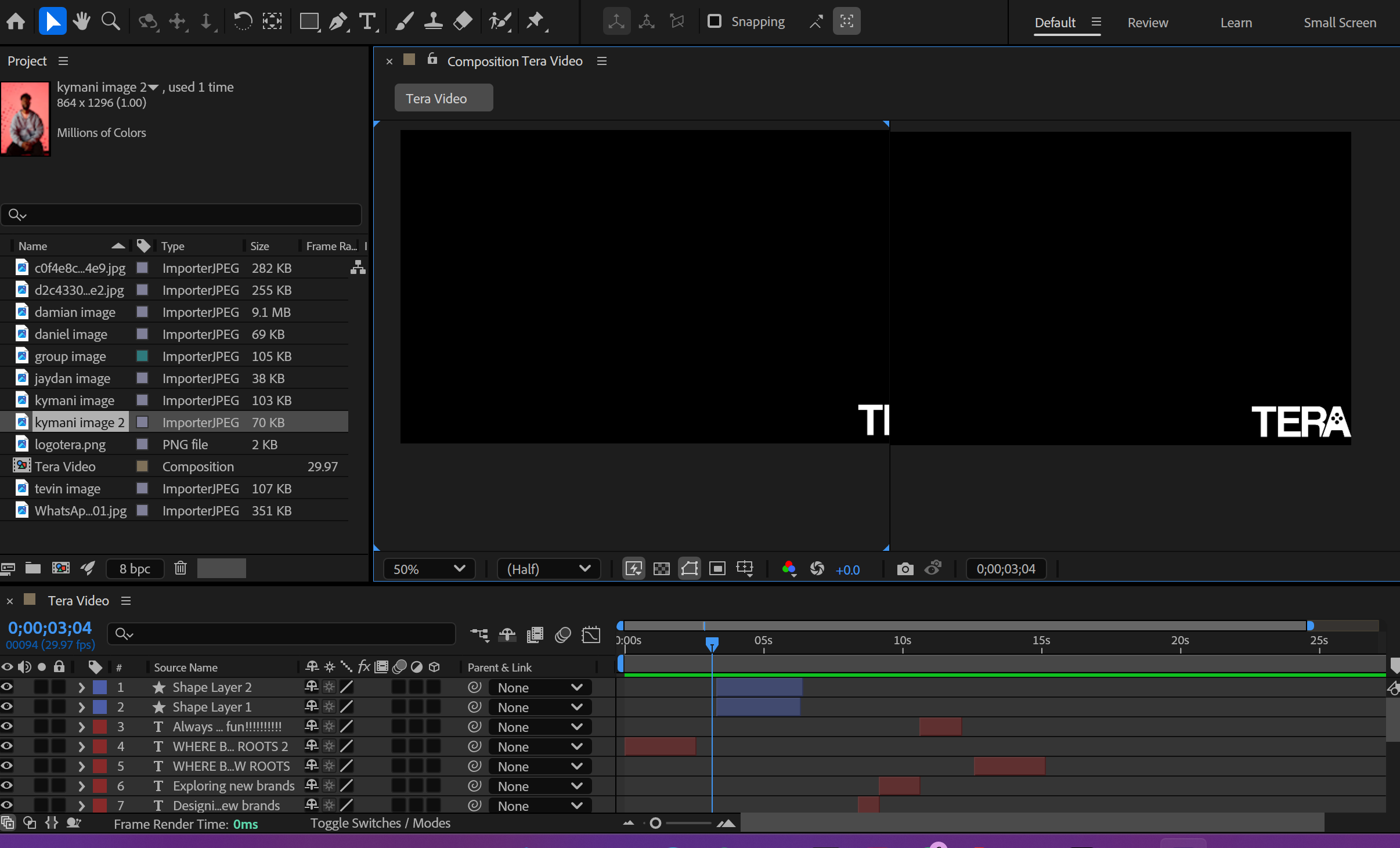
I’ve always wanted to learn video editing, and this project was the perfect chance to start. Unlike the hesitation I felt with Unreal Engine, I was genuinely excited to dive into this new skill. I began with After Effects, learning the basics while creating a video for our brand group, Tera. Everything about the process the animations, effects, and workflow—was new and fun to discover.
GOAL
My goal was to kickstart my video editing knowledge and explore the field using industry standard software. I wanted to move from knowing nothing to being comfortable enough with the basic techniques (like cuts, effects, and text animation) to handle project related video needs and confirm if this was an area I wanted to pursue long-term.
REFLECTION
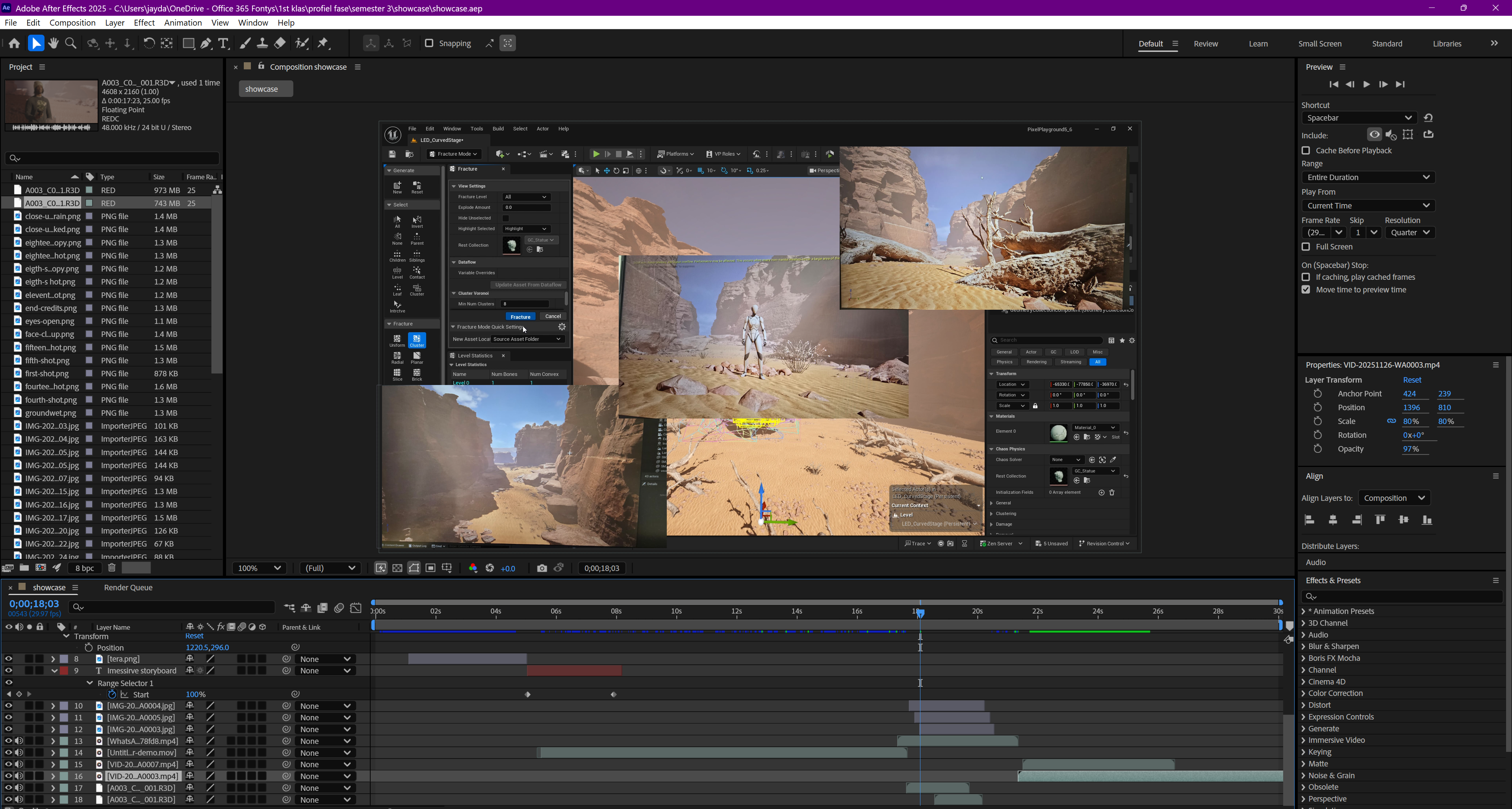
Learning both After Effects and DaVinci Resolve was thrilling, even though I was only doing simple edits at first. After getting the basics down, I felt confident enough to try more complex animations and cuts for our project showcase video. Unfortunately, my laptop couldn't handle the advanced software, and it crashed, causing me to lose the entire final edit. The good news is that because I had learned the fundamentals, I was able to quickly create a replacement video at school, just 30 minutes before the showcase started. Although I didn't like the rushed final product, I was extremely glad I had put in the time to learn the basics. The whole experience cemented my interest, and I definitely want to keep developing my editing skills, possibly even turning it into a career in video production.
WHY PROOF BELONGS
This project is excellent proof of Personal Leadership because it demonstrates my initiative and resilience. I actively chose to develop a new skill (video editing) that aligns with my long-term career interest in video production, showing action aligned with my core values and personal growth goals. My learning attitude was strong—I approached the steep learning curve with excitement. Crucially, when faced with the weakness of my hardware and the stressful loss of my work, I used my newly acquired strengths (the basic editing skills) to quickly solve the problem, proving I can take control and manage crises effectively.
ACTION
I intentionally started my video editing journey by using two new programs: After Effects and DaVinci Resolve. I created multiple videos, starting with a basic brand video, then moving to a simple storyboard edit, and finally, a project showcase video where I tried out new techniques like advanced animations and cuts. Even after my primary showcase video crashed and was lost, I took immediate action to leverage the basic skills I had already learned, allowing me to successfully create a working replacement edit in a very tight 30-minute window before the presentation. If you wish to see the videos a made go to learning outcome 3.